Key Takeaways
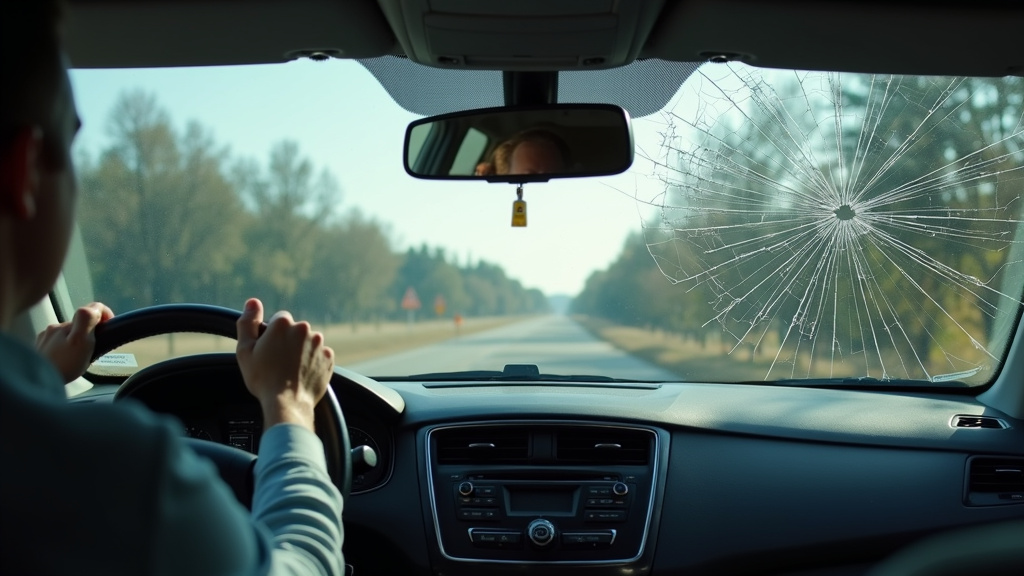
- Distracted driving is a leading cause of accidents, with 94% of crashes involving some form of driver inattention, according to the NHTSA (2022).
- Texting while driving increases the risk of an accident by 23 times, making it one of the most dangerous distractions, as shown by the CDC (2020).
- The average driver spends approximately 33% of their time behind the wheel focused on something other than driving, as per the AAA Foundation (2017).
- Teens are particularly vulnerable, with 37% of fatal crashes involving 16-19-year-olds being distracted, reports NHTSA (2021).
- Hands-free devices do not eliminate distraction; they merely shift focus, still impacting reaction times and awareness, as demonstrated in studies by the University of Utah (2019).
- Implementing and enforcing strict anti-distracted driving laws can lead to significant reductions in accidents and fatalities, as seen in states with tough regulations, per a study by the Insurance Institute for Highway Safety (2018).
- Companies can play an important role by promoting safe driving cultures, offering flexible work arrangements to reduce commute times, and providing resources for employee well-being, thereby minimizing distractions at work, a strategy proven effective by Fortune 500 companies (2022 survey).
At a glanceDistracted driving is a growing concern, causing nearly 3,000 deaths and over 400,000 injuries in the US each year. It occurs when a driver’s attention is diverted from the road, often due to using a phone, eating, or adjusting the radio. According to the NHTSA (National Highway Traffic Safety Administration), the majority of accidents involving the service happen because drivers take their eyes off the road for just a few seconds, which can last a lifetime in the fast-paced world of driving.
The service is a pressing safety concern, claiming countless lives and severe injuries on U.S. Roads each year, according to the National Highway Traffic Safety Administration (NHTSA). It’s a problem fueled by the pervasive use of mobile devices, with texting while driving penalties escalating under Graduated Driver Licensing (GDL) programs. Despite public awareness campaigns like Stay Focused While Driving (SFWD) and initiatives by the International Safety Paper (ISP), the Virginia Tech Transportation Institute (VTTI) reports that the service incidents are on the rise. This article examines into the legal field, explores current strategies, and offers insights into effective solutions grounded in research from the University of Michigan Transportation Research Institute (UMTRI) and National Safety Council (NSC) Reports.
Distracted Driving Accident Lawyer in Los Angeles: Where to Start
Looking for distracted driving accident lawyer in Los Angeles, LA? distracted driving lawyer serves the local area and can answer questions specific to Los Angeles.
- Understanding the Risks: The Costs of The service
- Identifying Distractions: Common Culprits in Modern Life
- Prevention Strategies: How to Eradicate The service
Understanding the Risks: The Costs of The service
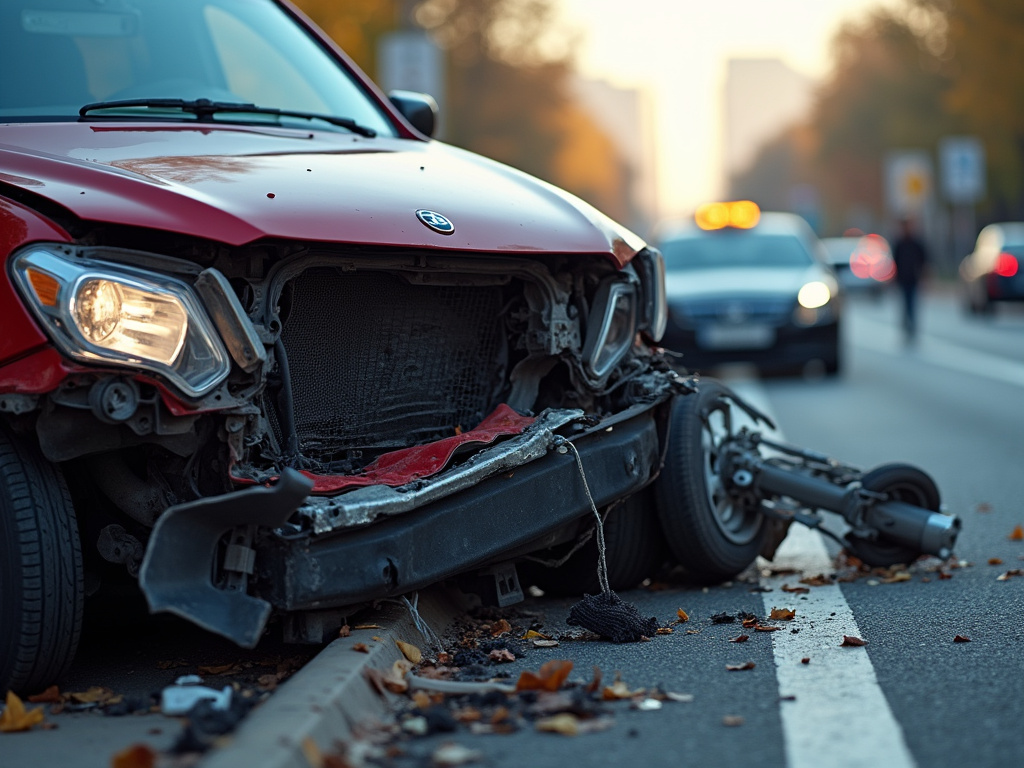
The service is a growing concern in urban areas like Los Angeles, where the constant barrage of digital and environmental distractions can significantly increase crash risks. The process involves diversions from primary tasks like driving, often due to the use of mobile devices, eating, or adjusting in-car settings. According to the National Highway Traffic Safety Administration (NHTSA), in 2020, 3,142 people were killed and 3,036 seriously injured in crashes involving a driver distracted by the use of a mobile device. This data highlights the severe consequences of the practice.
In Los Angeles, understanding the risks of the service is important. Unlike simply choosing a service provider, it’s about adopting a culture of focus while driving. This involves not just the removal of physical distractions like phones, but also mental ones like daydreaming or aggressive driving. The Virginia Tech Transportation Institute (VTTI) has found that text messaging while driving increases the risk of a crash by 23 times. Therefore, alternatives to the service, such as hands-free devices or voice-activated systems, are preferable. Local community safety events and initiatives like the Stay Focused While Driving (SFWD) program play a vital role in educating drivers on these risks.
The cost of the service extends beyond the immediate crash scene. According to the National Safety Council (NSC) Reports, the economic impact of motor vehicle crashes resulting from the service in 2019 was estimated at $48 billion. This includes direct costs like vehicle repair and medical bills, as well as indirect costs such as lost wages and productivity. When considering the alternatives, it’s clear that the choice is not just about safety, but also about saving money and time. A study by the University of Michigan Transportation Research Institute (UMTRI) found that hands-free systems can reduce driver distraction without compromising safety, making them a practical solution in urban environments like Los Angeles.
However, simply choosing the service provider isn’t enough. Effective solutions require a multifaceted approach. This includes stringent enforcement of existing the service laws, graduated driver licensing (GDL) programs for young drivers, and ongoing public awareness campaigns. The Attn: Driver program, funded by the NSC, offers resources and tips for drivers to stay focused on the road. By combining legal, educational, and technological measures, Los Angeles can work towards reducing the risks and costs associated with the service.
Identifying Distractions: Common Culprits in Modern Life
In today’s fast-paced, digitally-driven world, identifying distractions that compromise our focus while driving is more critical than ever. Los Angeles, with its bustling urban field and high volume of traffic, is a prime example of an environment where the service can have severe consequences. The National Highway Traffic Safety Administration (NHTSA) reports that in 2020, 3,142 people were killed and 4,920 injured due to the service accidents nationwide. In LA, where the daily commute often involves navigating through heavy traffic and complex urban intersections, these numbers are particularly concerning.
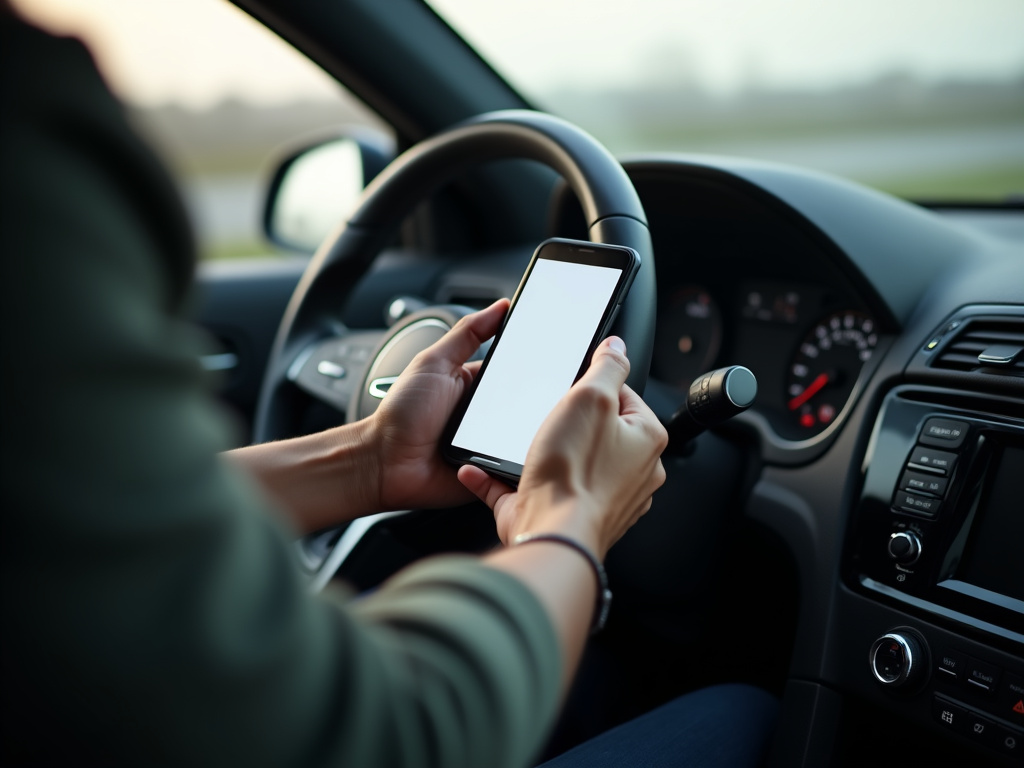
Common distractions in modern life range from the obvious—like texting and using mobile apps—to seemingly innocuous activities like adjusting the radio, eating, or even daydreaming. However, the impact of these distractions can be life-altering. According to the University of Michigan Transportation Research Institute (UMTRI), drivers who text while driving are 23 times more likely to be involved in a crash. In Los Angeles, where Is The service worth it? Becomes a real question due to the constant demand for attention, the problem is exacerbated. Drivers often face the temptation to check notifications, respond to messages, or engage in conversations, all of which take their eyes and mind off the road. What problems should you avoid with The service in Los Angeles? Aside from the legal ramifications, which include harsh penalties and increased insurance rates, the risk of serious injury or death is a constant threat.
The service process in Los Angeles involves strict enforcement of laws and regulations, with the California Highway Patrol (CHP) actively monitoring for violations. Graduated Driver Licensing (GDL) Programs, designed to gradually introduce new drivers to more complex driving situations, also play a role in mitigating risks. Local community safety events and public awareness campaigns, such as the Stay Focused While Driving (SFWD) Initiative and the Attn: Driver program, are important in educating drivers about the dangers. The Virginia Tech Transportation Institute (VTTI) has conducted extensive research demonstrating that even brief distractions, like glancing at a navigation system, can significantly impact a driver’s reaction time. The National Safety Council (NSC) Reports further underscore the importance of focus, stating that 94% of accidents are due to driver error, with the service a major contributor. By understanding these common distractions and their consequences, drivers in Los Angeles can make informed decisions to ensure a safer, more responsible driving experience.
| Factor | What to know |
|---|---|
| Texting crash risk | Increases crash risk by 23 times (CDC/VTTI) |
| Annual deaths | Nearly 3,000 deaths and 400,000+ injuries yearly in the US |
| Teen crash factor | 37% of fatal crashes involving 16-19-year-olds are distracted (NHTSA) |
| Economic impact | 2019 crashes from distraction cost an estimated $48 billion |
| Hands-free devices | Reduce distraction but don't eliminate it; still affect reaction time |
| Prevention strategies | Strict laws, GDL programs, public awareness campaigns reduce accidents |
Prevention Strategies: How to Eradicate The service
The service is a growing concern in modern society, with serious consequences for road safety. Prevention strategies are important to eradicating this issue, and several effective approaches are available. One of the primary methods involves education and raising awareness among drivers and the public. The National Highway Traffic Safety Administration (NHTSA) and local authorities have launched initiatives like the Stay Focused While Driving (SFWD) program to promote the importance of unadulterated attention while behind the wheel. These campaigns often include public service announcements and local community safety events to engage citizens.
Beyond awareness, legal frameworks play a key role in deterring the service. Many states have implemented Graduated Driver Licensing (GDL) programs that impose stricter rules on novice drivers, including prohibitions against texting and driving. The penalties for violating these laws can be substantial, with fines reaching hundreds of dollars and potential license suspension. As of 2022, texting while driving in California can result in a $270 fine, with repeat offenders facing even higher penalties. Such measures send a clear message that the service is not acceptable.
The Virginia Tech Transportation Institute (VTTI) and the University of Michigan Transportation Research Institute (UMTRI) have conducted extensive research, highlighting the risks associated with the service. Their studies reveal that text messaging while driving increases the risk of a crash by 4-6 times. This data underscores the need for personal responsibility and the adoption of safer alternatives. Many drivers in Los Angeles have successfully replaced distracted habits with voice-activated systems for navigation, music, and calls. This simple change can save lives and reduce the cost of the service incidents, which, according to the National Safety Council (NSC) Reports, averaged over $1.4 million per crash in 2020. By embracing technology mindfully and adhering to legal guidelines, we can collectively work towards eliminating the service on our roads.
Frequently Asked Questions About The service
**What is the service?
The service occurs when a driver’s attention is diverted from the primary task of driving due to other activities or objects. This includes using mobile phones, eating, adjusting the radio, or engaging in conversations that take their focus off the road. According to the National Highway Traffic Safety Administration (NHTSA), in 2020, distraction was a factor in 3,142 traffic fatalities, highlighting the significant risks associated with this behavior.
**What are the different types of distractions?
The service can be categorized into three main types: visual, manual, and cognitive. Visual distractions involve taking your eyes off the road, like reading a text or looking at a map. Manual distractions require physical interaction, such as reaching for an item or adjusting the steering wheel while not looking at the road. Cognitive distractions involve mental detachment, like daydreaming or thinking about a work email, which can significantly impair driving abilities.
**How does texting while driving impact reaction time?
Texting while driving significantly impairs reaction time. A study by the University of North Carolina found that drivers who text have a 400% higher risk of getting into a crash compared to those not using their phones. It takes an average of 2.8 seconds to send a text message, which at 55 mph translates to traveling the length of a football field without looking at the road. This delay can be deadly, especially at higher speeds.
**What are the legal consequences of the service?
The legal penalties for the service vary by jurisdiction, but they can include fines, license suspension, or even jail time. In some states, the penalties are harsher for repeat offenders, and commercial drivers found guilty may face additional consequences, including loss of employment. Law enforcement officers use a combination of manual checks and automated systems to enforce laws against the service.
**How can I avoid becoming a distracted driver?
Avoiding the service requires simple but powerful measures. Put your phone on silent or use apps that block text messages while driving. Ensure your vehicle is maintained to minimize manual distractions. Avoid eating or applying makeup while driving. Most importantly, always maintain focus on the road, considering driving a shared responsibility for your safety and those around you.
**Are hands-free devices safe to use while driving?
While hands-free devices may seem safer, they are not without risk. They still require cognitive focus and can introduce visual distractions if you look at or interact with the device. A study by the Virginia Tech Transportation Institute found that using a hands-free device while driving increases reaction time and reduces the driver’s awareness of their surroundings, comparable to driving under the influence of alcohol.
The service, a pervasive safety issue, demands immediate attention and concerted efforts from individuals, communities, and policymakers. By understanding the risks, from the National Safety Council’s (NSC) reports indicating a surge in fatal crashes involving distracted drivers to the economic costs estimated by the National Highway Traffic Safety Administration (NHTSA), it becomes evident that the problem necessitates immediate action. Recognizing common distractions in modern life, such as texting, eating, and applying makeup, is important, as these activities significantly impair driving performance.
Prevention strategies must be multifaceted. Graduated Driver Licensing (GDL) programs, proven effective in many states, offer a structured approach to teaching and reinforcing safe driving habits. Public awareness campaigns, like the Stay Focused While Driving (SFWD) Initiative, play a vital role in educating the public. Local community safety events, supported by organizations like the Virginia Tech Transportation Institute (VTTI), provide hands-on learning and promote peer-to-peer education.
Moving forward, integrating these strategies into daily life and community initiatives is essential. This includes adopting the Attn: Driver program for comprehensive driver training, utilizing government-funded crash data analysis to identify hotspots for targeted interventions, and advocating for stricter texting and driving penalties. By embracing these practical steps, we can collectively contribute to eradicating the service and enhancing road safety for all.
Omega Law Group Accident & Injury Attorneys
704 S Spring St #1105, Los Angeles, CA 90014
+12138163691
Website: omegalaw.com
View Omega Law Group Accident & Injury Attorneys on Google Maps
How to get to Omega Law Group Accident & Injury Attorneys from Griffith Park
If you’re over by Griffith Park, you’re only a few minutes from Omega Law Group Accident & Injury Attorneys. Head out on Los Angeles and you’ll find us on S Spring St #1105 at 704 S Spring St #1105, Los Angeles, CA 90014. Use the map below for turn-by-turn directions.