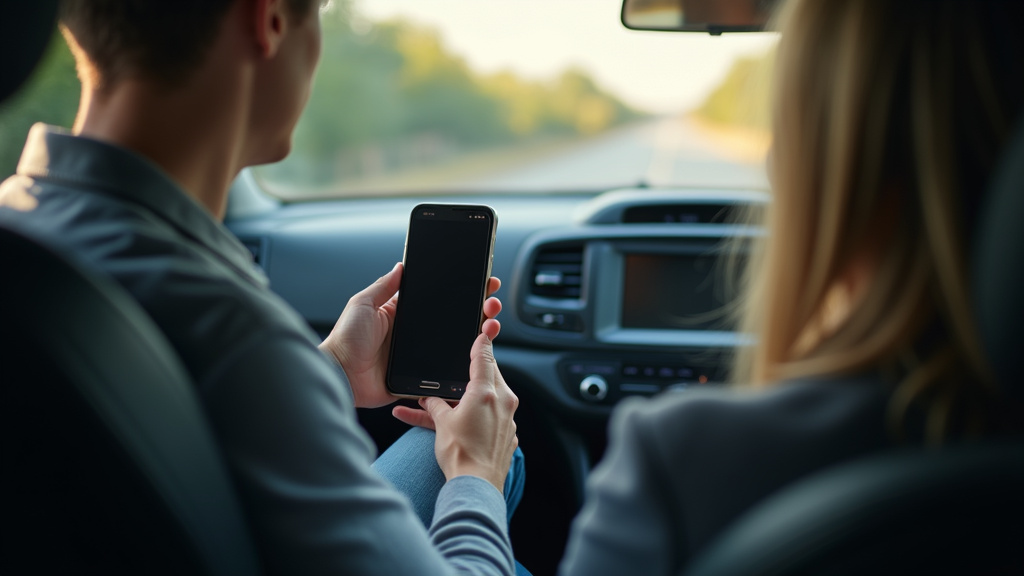
Key Takeaways
- Distracted driving is a growing concern, with studies showing a significant increase in accidents due to phone use while driving.
- Texting while driving increases the risk of a crash by 23 times, making it one of the most dangerous distractions.
- Hands-free devices do not eliminate the risk, as mental distraction remains a significant factor.
- Implementing and enforcing strict laws against distracted driving can lead to a notable reduction in accidents and fatalities.
- Educating young drivers about the dangers of distracted driving can have a long-term positive impact on road safety.
- Corporate and organizational policies that discourage distracted driving can foster a culture of safe practices among employees.
- Utilizing in-car technology that blocks phone notifications during driving can significantly decrease driver distraction.
At a glanceDistracted driving occurs when a driver’s attention is drawn away from the road. This can include using a phone, eating, or adjusting the radio. These distractions significantly increase the risk of accidents, as drivers may not see potential hazards or react in time, leading to dangerous and often fatal consequences.
Distracted driving is a pressing public safety concern, claiming countless lives and causing severe injuries annually. This phenomenon, characterized by the diversion of attention from the primary task of driving, has multifaceted causes ranging from mobile device use to passenger interactions. The sheer number of distractions vying for our attention makes combating this issue an ongoing challenge. However, through a multi-faceted approach combining education, technology, and stringent enforcement, we can significantly reduce risks associated with distracted driving. By delving into the underlying behaviors, implementing evidence-based solutions, and fostering a culture of responsible driving, we can create safer roads for everyone.
Distracted Driving Accident Lawyer in Los Angeles: Where to Start
Looking for distracted driving accident lawyer in Los Angeles, LA? distracted driving accidents lawyer serves the local area and can answer questions specific to Los Angeles.

Understanding the Scope of Distracted Driving
Distracted driving is a pervasive and increasingly complex issue, impacting road safety across the globe, including Los Angeles. Beyond the immediate consequences of text messaging or using a phone while driving, the scope of distracted driving encompasses a wide range of behaviors that divert a driver’s attention from the road. This includes activities such as eating, drinking, adjusting the radio, or even engaging in intense conversations with passengers. Understanding the true extent of distracted driving is crucial for addressing this pervasive problem.
The duration and impact of distracted driving can vary greatly, making it a challenging phenomenon to quantify. Studies suggest that tasks requiring cognitive engagement, like texting, can extend the reaction time of drivers by as much as 20 times. This means that even a brief moment of distraction can have severe consequences. For example, in Los Angeles, where congestion is a common issue, a driver distracted for just a few seconds while navigating a busy intersection could easily be involved in an accident. This raises important questions to ask before hiring a driver, especially for high-risk scenarios.
The process of addressing distracted driving involves a multifaceted approach. Enforcement remains a primary strategy, with strict laws and penalties in place to deter drivers from engaging in these behaviors. Education programs, both formal and informal, play a vital role in raising awareness and instilling a culture of responsible driving. Additionally, technological interventions, such as apps that block phone usage while driving, are gaining popularity. These measures, when implemented together, can significantly reduce the instances of distracted driving. It is also essential to consider the role of public policy and urban planning in fostering safer driving habits, for instance, by designing roads and public spaces that minimize the need for drivers to engage in distracting activities.
Causes, Consequences, and Prevention Strategies
Distracted driving, a pervasive issue on Los Angeles’s roads, is a significant concern due to its severe consequences. According to the California Highway Patrol, the number of crashes involving distracted drivers in Los Angeles County has been steadily rising, with an average of over 30,000 incidents reported annually. This alarming trend highlights the urgent need for awareness and prevention strategies. The primary cause of distracted driving is the dual tasking of operating a vehicle while engaging in activities unrelated to driving, such as using a mobile phone, eating, or adjusting the radio. In just three seconds, a driver’s attention wanders, and during that time, they could cover the length of a football field with their vehicle, illustrating the potential for catastrophic accidents.
The consequences of distracted driving are far-reaching. In Los Angeles, these incidents can result in severe injuries or even fatalities, not just for the distracted driver but also for passengers, other motorists, and pedestrians. Research indicates that drivers who use their phones while driving are 400% more likely to get into crashes. Furthermore, the economic impact is substantial, with estimates suggesting that distracted driving costs the U.S. over $400 billion annually in direct and indirect costs. To qualify for liability in a distracted driving case in Los Angeles, it’s essential to prove that the driver was negligent and that their distraction directly caused the accident. This often involves examining the driver’s behavior, phone records, and witness statements.
Prevention is key to addressing this pressing issue. Several strategies can help reduce distracted driving: setting phone alarms to prevent impulsive checks, utilizing drive modes on smartphones to limit notifications, and encouraging passengers to intervene if they observe a driver engaging in distracting behavior. Educational campaigns and stricter enforcement of existing laws can also play a pivotal role. For instance, the Los Angeles Police Department’s efforts to crack down on distracted driving have resulted in a notable decrease in related accidents. Additionally, individuals should be mindful of the risks involved and commit to driving fully attentive, keeping their eyes on the road and their minds on the task at hand. By implementing these measures, Los Angeles can strive to reduce the prevalence of distracted driving and create safer roads for all.
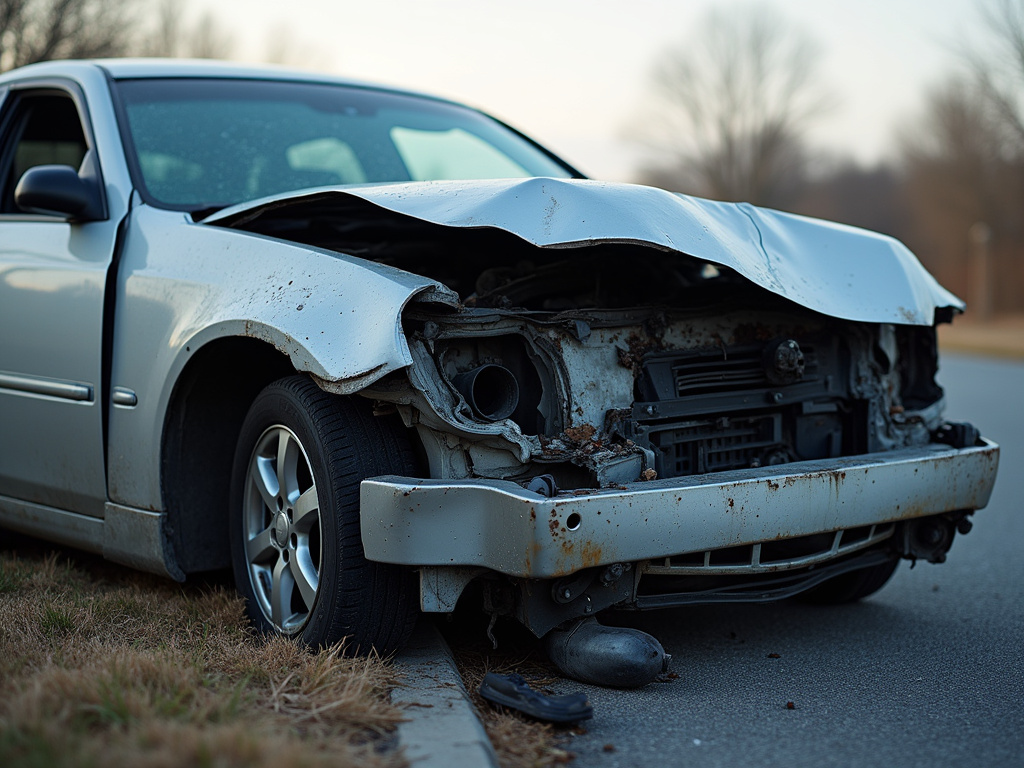
| Factor | What to know |
|---|---|
| Texting while driving | Increases crash risk by 23 times |
| Phone use while driving | Drivers 400% more likely to crash |
| Hands-free devices | Still cause mental distraction risk |
| Cognitive distraction | Extends reaction time up to 20 times |
| Economic impact | Costs U.S. over $400 billion annually |
| Prevention strategies | Phone alarms, drive modes, passenger intervention, education, enforcement |
Legal Implications and Future Countermeasures
Distracted driving remains a significant concern in Los Angeles, with studies indicating that it takes approximately 2.9 seconds of a driver’s attention away from the road. This duration may seem brief, yet it translates to a considerable distance traveled without active control, especially in a city as dense as LA. The legal implications of distracted driving are severe, with California enforcing stringent penalties for those caught texting while driving or engaging in other distracting activities. Fines, license suspensions, and even jail time serve as deterrents, reflecting the state’s zero-tolerance policy.
The future of countermeasures against distracted driving lies in a multi-faceted approach. Educational initiatives aimed at raising awareness about the dangers are crucial. For instance, campaigns that highlight the impact of even a few seconds of distraction can be powerful. Additionally, technology itself offers solutions, with advanced driver-assistance systems (ADAS) designed to mitigate risks. These systems include lane-keeping assist and automatic emergency braking, which can detect and react to potential hazards more quickly than humans. However, while technology assists, it doesn’t replace human responsibility.
Beyond legal enforcement and technological solutions, fostering a culture that discourages distracted driving is vital. This involves encouraging drivers to adopt habits that promote focus, such as putting phones on silent or using apps that block certain applications while driving. In Los Angeles, where congestion and constant movement are the norm, alternatives to distracted driving must be embraced. Public transportation, bike-sharing programs, and carpooling are effective strategies to reduce the number of vehicles on the road, thereby decreasing the risk of distracted driving incidents. Ultimately, the goal is to create a safer, more mindful driving environment.
Frequently Asked Questions About Distracted Driving
What is distracted driving?
Distracted driving is the act of operating a vehicle while engaging in another activity that diverts attention from the road. This can include using a smartphone, eating, adjusting the radio, or any activity that takes focus away from driving. It poses a significant safety risk due to the driver’s reduced ability to react to road conditions and potential hazards.
Why is distracted driving dangerous?
Distracted driving increases the likelihood of accidents, severe injuries, and fatalities. The human brain needs full concentration to drive safely. Any distraction, even for a few seconds, can have devastating consequences, especially at high speeds. It’s a leading cause of accidents worldwide, with severe repercussions for drivers, passengers, and other road users.
What are the common types of distractions while driving?
Common distractions include using mobile phones, texting, eating and drinking, adjusting the GPS or radio, talking to passengers, and checking maps or social media. Visual, manual, and cognitive distractions are the three main categories. Any activity that takes your eyes off the road, hands off the steering wheel, or mind off driving is a potential distraction.
How can I avoid distracted driving?
To avoid distracted driving, always keep your eyes on the road and both hands on the steering wheel. Turn off or silence your phone before getting behind the wheel. If you need to use your phone, pull over to a safe location. Avoid eating or drinking while driving. Keep your focus on driving, and if you’re tired, take breaks or pull over for rest.
Are there laws against distracted driving?
Yes, many countries and regions have implemented laws to combat distracted driving. These laws vary but typically include penalties for using mobile devices while driving, as well as fines and license sanctions for other distracting behaviors. Enforcement of these laws varies, but they serve as a deterrent to reduce accidents caused by inattention.
What are the penalties for distracted driving?
Penalties for distracted driving can include fines, license suspension, or even jail time, depending on the severity of the offense and local laws. Repeated offenders may face stiffer penalties. It’s crucial to understand and comply with local regulations to ensure safe driving practices and avoid legal consequences.
Distracted driving remains a pervasive and significant issue, with far-reaching consequences. By understanding the scope and causes, we can employ effective prevention strategies and legal measures to mitigate risks. Key takeaways include the need for heightened awareness, driver education, and technological interventions. Encouraging responsible driving habits, such as minimizing phone use and maintaining focus, is paramount. Moreover, the legal implications highlighted in this article underscore the importance of strict enforcement and ongoing research. Moving forward, continuous evaluation and innovative countermeasures are essential to address the evolving nature of distracted driving, ultimately ensuring safer roads for all.
Omega Law Group Accident & Injury Attorneys
704 S Spring St #1105, Los Angeles, CA 90014
+12138163691
Website: omegalaw.com
View Omega Law Group Accident & Injury Attorneys on Google Maps
How to get to Omega Law Group Accident & Injury Attorneys from Ralphs Fresh Fare
Driving in from Ralphs Fresh Fare? the drive to Omega Law Group Accident & Injury Attorneys is a quick one. Head out on W 9th St and you’ll find us on S Spring St #1105 at 704 S Spring St #1105, Los Angeles, CA 90014. Use the map below for turn-by-turn directions.