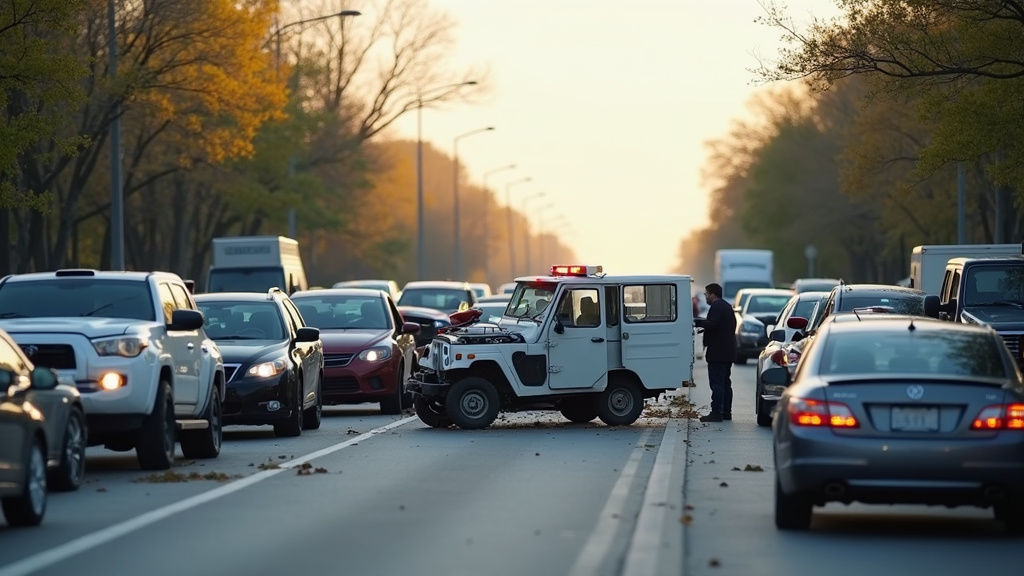
At a glanceDistracted driving is a growing concern, causing over 3,000 deaths and 400,000 injuries in the U.S. Alone in 2020. It occurs when drivers engage in activities unrelated to driving, like using phones or eating, which delays reaction times. According to the NHTSA, nearly 8% of all driver fatalities involved distracted driving, emphasizing the need for safer practices on the road.
Key Takeaways
- Distracted driving is a leading cause of accidents, with 3,142 deaths attributed to it in 2020, according to the NHTSA.
- Texting while driving increases the risk of a crash by 23 times, making it one of the most dangerous distractions.
- A study by the AAA Foundation found that drivers using hands-free devices are still four times more likely to be involved in a crash.
- Younger drivers, aged 16-24, are most at risk for the service, with 37% of crashes involving smartphone use, per the Insurance Institute for Highway Safety.
- Using a GPS while driving can increase the risk of a crash by 24%, highlighting the importance of planning ahead or using voice commands.
- Implementing company policies that ban all phone use while driving can reduce crash risk by up to 40%, according to a study by the University of North Carolina.
- Enforcing strict laws and increasing public awareness campaigns can significantly lower the service rates, with states like New York seeing a 20% reduction in crash fatalities related to cell phone use.
The service has emerged as a significant safety concern on roads worldwide, with alarming statistics revealing its devastating impact. According to the National Highway Traffic Safety Administration (NHTSA), in 2021, 3,142 people were killed in crashes involving the service in the United States. This crisis demands immediate attention, as it affects not only drivers but also passengers, pedestrians, and other road users.
The problem is multifaceted, with various distractions ranging from mobile phone use to eating and adjusting in-car settings. To combat this, many jurisdictions have implemented Graduated Driver Licensing (GDL) programs and enacted strict The service Laws, such as banning text messaging while driving. However, ongoing public education remains critical to changing behaviors.
This article examines into the intricacies of the service, exploring research findings from esteemed institutions like the University of Michigan Transportation Research Institute (UMTRI) and the Virginia Tech Transportation Institute (VTTI). We will also highlight successful public awareness campaigns and discuss the latest legal developments, offering a comprehensive strategy to tackle this pervasive road safety issue.
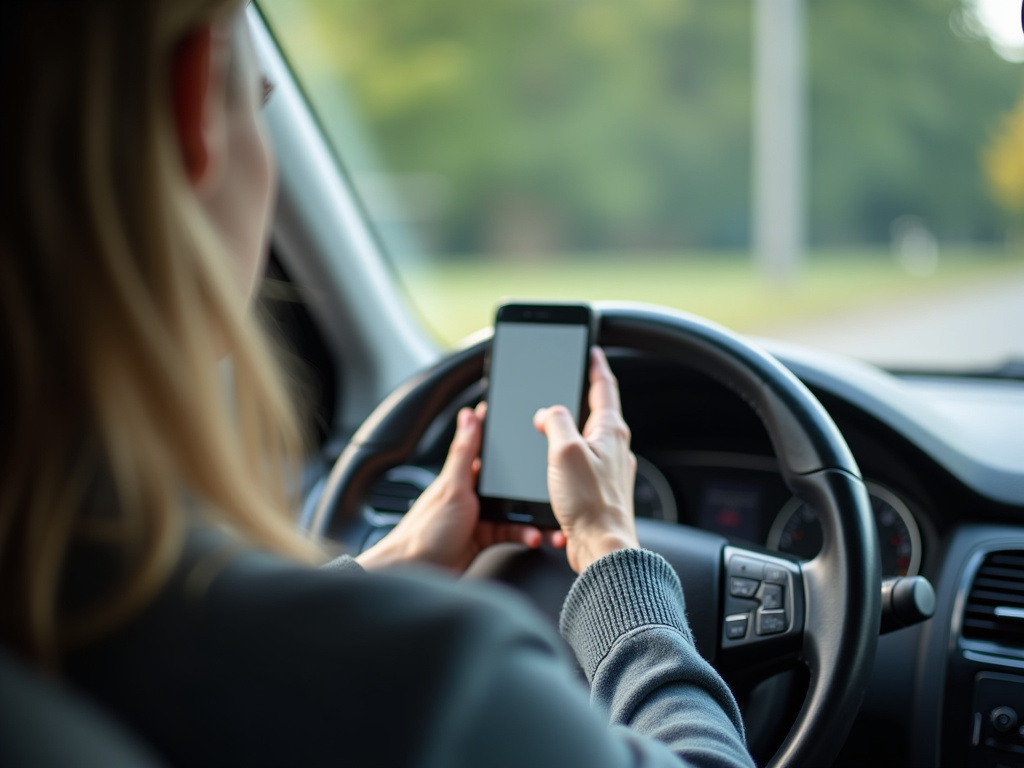
Distracted Driving Accident Lawyer in Los Angeles: Where to Start
Looking for distracted driving accident lawyer in Los Angeles, LA? distracted driving accidents lawyer serves the local area and can answer questions specific to Los Angeles.
- Understanding the Scope: The Prevalence and Costs of The service
- Root Causes: Identifying Factors Behind Driver Distraction
- Strategies for Prevention: Countering The service Through Awareness and Policy
Understanding the Scope: The Prevalence and Costs of The service
The service, or the act of dividing attention between driving and another activity, has become an increasingly pressing issue on Los Angeles’ roads. According to the National Highway Traffic Safety Administration (NHTSA), in 2020, 3,142 people were killed in crashes involving the service across the United States—a figure that underscores the urgent need for awareness and action. In California, including Los Angeles County, the numbers are similarly concerning. The California Highway Patrol reported 3,570 collisions in 2021 due to the service, highlighting the significant risks this behavior poses.
The problem is exacerbated by the variety of distractions available to modern drivers. Whether it’s answering a text message, adjusting navigation settings, or engaging in a heated phone call, these activities can significantly impact driving performance. Studies by the University of Michigan Transportation Research Institute (UMTRI) have shown that text messaging while driving increases reaction times by up to 300%, making it one of the most hazardous distractions. Even tasks seemingly as simple as reaching for a phone or navigating a menu can divert a driver’s attention for several seconds, enough time to traverse the length of a football field at highway speeds. This highlights the critical importance of minimizing distractions while driving, especially in busy urban areas like Los Angeles.
The costs of the service extend far beyond the immediate safety concerns. The Virginia Tech Transportation Institute (VTTI) estimates that crashes involving distracted drivers cost the United States $40 billion annually, including economic losses, medical expenses, and legal costs. In Los Angeles, these costs are felt on multiple levels. The city’s dense traffic and high volume of vehicles create a perfect storm for the service accidents, leading to prolonged road closures, increased insurance premiums, and a burden on emergency services. The psychological and physical trauma suffered by victims can have long-lasting effects, underscoring the need for proactive measures to prevent the service.
To combat this issue, several strategies can be employed. Public awareness campaigns, such as the NHTSA’s Stay Focused While Driving (SFWD) Initiative, play an important role in educating drivers about the dangers. Local community safety events and the Attn: Driver program further reinforce the message. Graduated driver licensing (GDL) programs, which gradually introduce driving privileges to novice drivers, have shown promise in reducing the service among teens. By combining education, enforcement, and progressive licensing, Los Angeles can work towards a safer road environment, minimizing the time and costs associated with the service incidents.

| Factor | What to know |
|---|---|
| Texting while driving | Increases crash risk by 23 times |
| Young drivers (16-24) | 37% of crashes involve smartphone use |
| GPS use while driving | Increases crash risk by 24% |
| Company phone bans | Can reduce crash risk by up to 40% |
| State law enforcement | New York saw 20% reduction in related fatalities |
Root Causes: Identifying Factors Behind Driver Distraction
The service is a complex safety issue rooted in a multitude of factors. While many drivers understand the risks of texting and talking while behind the wheel, the true scope of the problem lies in the various, often subconscious, distractions that draw focus away from driving. According to the National Highway Traffic Safety Administration (NHTSA), in 2020, 3,142 people were killed in crashes involving distracted drivers, a figure that underscores the need to examine the root causes of this pervasive issue.
One of the primary culprits is the ever-present allure of mobile devices. With an average American spending nearly two hours each day on their smartphone, the temptation to check texts, social media, or maps while driving is ever-present. Studies from the University of Michigan Transportation Research Institute (UMTRI) show that drivers engaged in these activities take their eyes off the road for an average of 2-3 seconds, but even brief diversions can significantly increase the risk of a crash. To put this into perspective, at 55 mph, driving blind for three seconds is the equivalent of traversing the length of a football field without looking.
the NHTSA identifies several other factors that contribute to the service, including: environmental distractions like loud music or passengers, time pressure from work or personal commitments, and even the design of vehicles, which increasingly incorporate complex infotainment systems. In Los Angeles, where alternative transportation options are abundant, drivers may feel less compelled to engage in the service behaviors. Public transit, bike lanes, and car-sharing programs offer viable alternatives, reducing the need for drivers to constantly interact with their vehicles.
Addressing the service requires a multifaceted approach. Public awareness campaigns like the NHTSA’s Stay Focused While Driving (SFWD) Initiative play an important role in educating drivers about the risks. Graduated driver licensing (GDL) programs, which introduce driving privileges in stages, have been shown to be effective in reducing the service among young drivers. By understanding the root causes and employing these strategies, communities can work together to make our roads safer for everyone.
Strategies for Prevention: Countering The service Through Awareness and Policy
The service is a growing concern, costing society billions annually. According to the National Highway Traffic Safety Administration (NHTSA), in 2020, 3,142 people were killed in crashes involving the service—a number that highlights the urgent need for effective countermeasures. Prevention strategies must be multi-faceted, combining public education and stringent policy enforcement.
One proven approach is targeted public awareness campaigns. Initiatives like the Stay Focused While Driving (SFWD) program, for instance, focus on educating young drivers about the risks. These campaigns often include partnerships with schools and local community events to disseminate information. Similarly, the Attn: Driver program, backed by research from the University of Michigan Transportation Research Institute (UMTRI), uses cognitive testing and virtual reality simulations to help drivers understand the cognitive load of multitasking behind the wheel.
Policy interventions, such as Graduated Driver Licensing (GDL) programs, also play an important role. These programs, mandated in many states, impose tiered restrictions on novice drivers, including restrictions on cell phone use and passenger load. In California, drivers under 18 are prohibited from using any mobile device while driving, and in New York, the GDL program includes a "no text, no call" rule during the learner’s permit and intermediate stages. Such policies not only deter but also teach young drivers responsible behavior.
When considering the need for professional intervention, understanding the local legal field is essential. In Los Angeles, for instance, if you’re caught texting and driving, you could face fines ranging from $250 to $1000, with potential penalties including license suspension. Therefore, it’s important to consult legal experts specializing in the service cases, especially when determining the best course of action after an incident. The Virginia Tech Transportation Institute (VTTI) has extensively researched the economic impact of the service, showing that the average cost per crash involving a distracted driver exceeds $1.7 million—a staggering figure that underscores the importance of proactive prevention strategies.
Frequently Asked Questions About The service
What is the service?
The service is the act of operating a motor vehicle while focusing on an external activity that takes the driver’s attention away from the road. Common distractions include using a smartphone, adjusting vehicle controls, or engaging in conversations with passengers. According to the National Highway Traffic Safety Administration (NHTSA), in 2020, distraction-related crashes resulted in 3,142 deaths in the United States.
Why is the service dangerous?
The service significantly increases the risk of accidents due to delayed reaction times and reduced awareness. It can lead to loss of control over the vehicle, failure to observe traffic signals or other road users, and poor decision-making. The NHTSA estimates that in 2019, 3,142 people were killed and 480,000 injured in crashes involving distracted drivers.
What are the main types of distractions?
The three main types of distractions are: 1. Visual: Taking your eyes off the road, e.g., looking at a phone or other device. 2. Manual: Removing your hands from the steering wheel, like when adjusting settings or holding a phone. 3. Cognitive: Mentally disengaging from driving, such as daydreaming or planning non-driving tasks.
How can I prevent the service?
Prevention strategies include: minimizing phone use while driving, adjusting vehicle settings before starting the trip, and avoiding engaging in conversations or activities that take your focus off the road. Many states have implemented "no text while driving" laws to discourage the practice.
What are the penalties for the service?
Penalties vary by jurisdiction but generally include fines, license suspension, or even jail time. In some states, first-time offenders may face strict penalties, like a 30-day license suspension, to deter future infractions.
Are hands-free devices safe to use while driving?
While hands-free devices allow drivers to keep their hands on the wheel, they do not eliminate cognitive distractions. Research shows that using any type of phone while driving, even with a hands-free device, increases the risk of a crash.
What role does technology play in combating the service?
Technological solutions like driver-dismissal systems, which automatically prevent phone usage while driving, and in-vehicle reminders are being developed to combat the service. Some vehicles are also equipped with sensors that detect driver inattention and alert them accordingly.
The service, a growing concern globally, demands multifaceted strategies to mitigate its risks. Understanding the scope reveals a pervasive issue, with significant costs extending beyond individual accidents. The article highlights several root causes, including technological advancements, social pressures, and inadequate driver education. Key insights from research by institutions like the University of Michigan Transportation Research Institute (UMTRI) and Virginia Tech Transportation Institute (VTTI) underscore the need for public awareness and policy interventions.
Practical next steps involve enhancing driver education through programs like Stay Focused While Driving (SFWD) and Attn: Driver, which aim to instill safe habits. Graduated Driver Licensing (GDL) programs, backed by legal frameworks and regulations from bodies like the National Highway Traffic Safety Administration (NHTSA), have proven effective in reducing risks, especially for novice drivers. Stricter texting and driving penalties, coupled with local community safety events, can reinforce the importance of unfettered attention on the road.
addressing the service requires a concerted effort from policymakers, educators, and the public. By adopting evidence-based strategies and staying informed through initiatives like the National Safety Council (NSC) Reports, we can collectively reduce the prevalence and consequences of this pressing safety concern.
Omega Law Group Accident & Injury Attorneys
704 S Spring St #1105, Los Angeles, CA 90014
+12138163691
Website: omegalaw.com
View Omega Law Group Accident & Injury Attorneys on Google Maps
How to get to Omega Law Group Accident & Injury Attorneys from Hollywood Walk of Fame
Starting near Hollywood Walk of Fame? Omega Law Group Accident & Injury Attorneys is a short drive away. Head out on Hollywood Boulevard and you’ll find us on S Spring St #1105 at 704 S Spring St #1105, Los Angeles, CA 90014. Use the map below for turn-by-turn directions.