
At a glanceDistracted driving occurs when a driver’s attention is focused on something other than the road, endangering themselves and others. This includes activities like texting, using GPS, or eating while driving. According to studies, these distractions increase the risk of accidents, making it crucial for drivers to stay focused on the task at hand.
Key Takeaways
- Distracted driving (find out more) is a leading cause of accidents, with text messaging increasing the risk by 23 times.
- Drivers under 25 years old are most at risk due to higher rates of phone use and experience.
- Hands-free devices do not significantly reduce distractions, as mental focus remains divided.
- Implementing stricter laws and public awareness campaigns can effectively reduce distracted driving.
- Technology solutions like app blocking and in-car reminders can aid in combating this issue.
- Encouraging open dialogue about the dangers and personal accountability is crucial for behavior change.
Distracted driving has emerged as a paramount safety concern on our roads, with mounting evidence linking it to an alarming rise in accidents and fatalities. This phenomenon, characterized by the diversion of attention from driving tasks, encompasses various behaviors like texting, using mobile phones, or adjusting in-vehicle systems while behind the wheel. The pervasiveness of these distractions poses a significant challenge to traffic safety authorities worldwide. However, by delving into the root causes, understanding the implications, and implementing evidence-based countermeasures, we can significantly mitigate the risks associated with distracted driving. In this comprehensive exploration, we dissect the problem, analyze its impact, and offer practical solutions to foster safer driving environments.
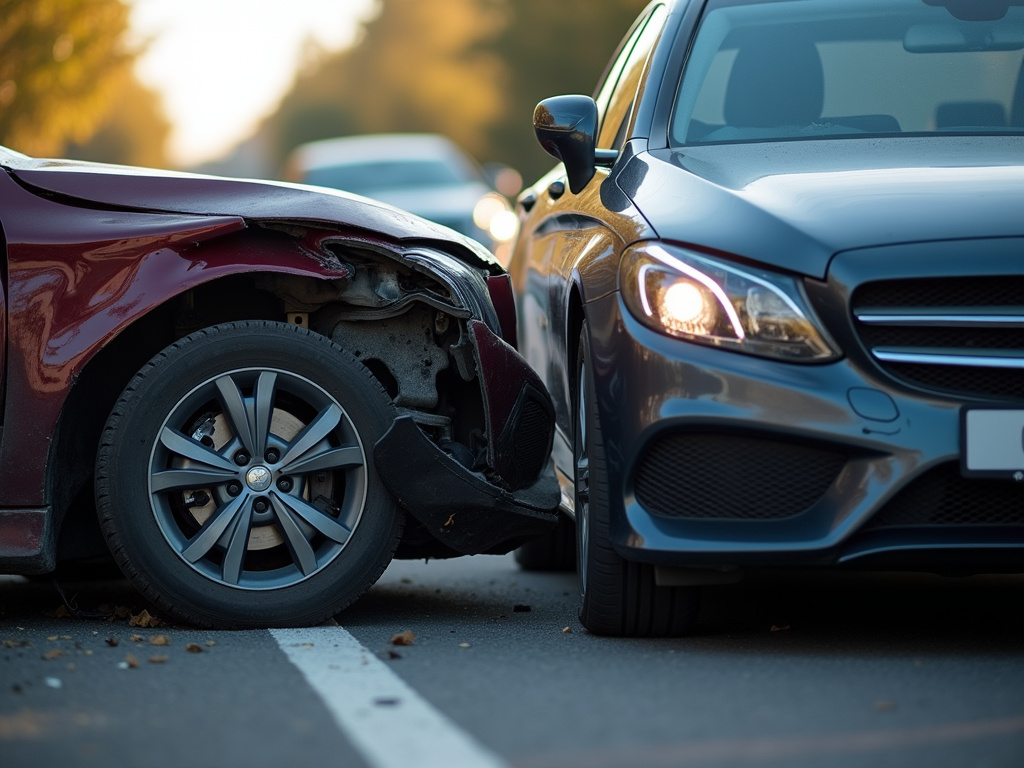
Distracted Driving Accident Lawyer in Los Angeles: Where to Start
Looking for distracted driving accident lawyer in Los Angeles, LA? distracted driving accidents lawyer serves the local area and can answer questions specific to Los Angeles.
Understanding the Scope of Distracted Driving
Distracted driving is a pervasive issue on roads worldwide, with far-reaching consequences for road safety. Understanding the scope of this problem involves recognizing its various forms and the impact they have on drivers’ attention and reaction times. The term encompasses a wide range of activities that divert an individual’s focus from operating a vehicle. These include using mobile phones, adjusting in-vehicle settings, eating, drinking, or even engaging in intense conversations with passengers. What many may not realize is that distracted driving doesn’t just occur during obvious tasks; simply looking away from the road for even a few seconds can significantly increase the risk of an accident.
When considering the scope of distracted driving, it’s essential to recognize its prevalence and evolving nature. With advancements in technology, new distractions emerge daily, keeping drivers constantly engaged with devices or other non-driving activities. For instance, navigation systems, hands-free devices, and infotainment centers can all contribute to cognitive load while driving. A study by the National Highway Traffic Safety Administration (NHTSA) revealed that in 2021, 3,142 people were killed in crashes involving distracted drivers in the United States. This staggering figure underscores the urgency of addressing this issue and highlights the need for both individual responsibility and legislative measures to combat it.
If you’re wondering when to prioritize understanding or mitigating distracted driving, consider this: every time you get behind the wheel, your full attention is required to navigate roads safely. Whether it takes 5 minutes to check a text message or 30 seconds to adjust the radio, these small moments of inattention can have significant consequences. In today’s fast-paced world, where expectations often demand immediate responses, recognizing and resisting the temptation to engage in non-essential tasks while driving becomes even more critical. By adopting safe driving habits and promoting awareness, individuals can contribute to reducing accidents caused by distracted behavior.
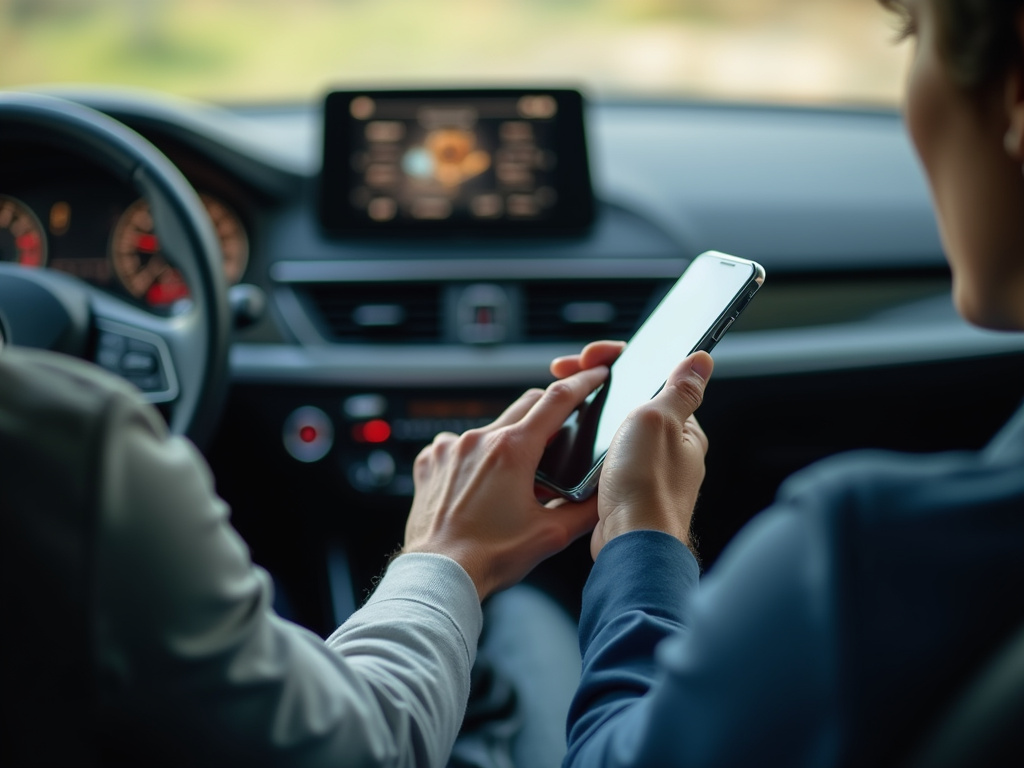
Causes, Consequences, and Prevention Strategies
Distracted driving, a pervasive issue on America’s roads, particularly in bustling urban centers like Los Angeles, poses significant risks. In Los Angeles, where dense traffic and diverse road users create complex driving conditions, understanding the causes, consequences, and implementing effective prevention strategies is paramount.
Causes of distracted driving are multifaceted. The most prevalent culprits include texting while driving (TWD), using mobile apps, browsing the internet, eating, and adjusting vehicle settings. Even seemingly minor tasks can divert a driver’s attention from the road for several seconds, enough time to cover a substantial distance and react to unexpected events. Research indicates that TWD increases the risk of a crash by 23 times. In Los Angeles, where drivers navigate not only congested freeways but also narrow urban streets, these distractions can have particularly dangerous consequences.
Consequences of distracted driving are severe and can include serious injuries, fatalities, and substantial legal repercussions. According to the National Highway Traffic Safety Administration (NHTSA), in 2020, 3,142 people were killed in crashes involving distracted drivers in the United States. These numbers underscore the urgent need for proactive prevention measures. In Los Angeles, where accidents and traffic violations are meticulously documented, individuals convicted of distracted driving can face fines, license suspensions, and even jail time, depending on the severity of the incident.
Prevention Strategies are essential to combating distracted driving. First and foremost, drivers must commit to focusing solely on the road. Putting away mobile devices, adjusting settings to prevent distractions, and avoiding eating or other activities that divert attention are crucial. Many states, including California, have implemented laws banning texting while driving and requiring hands-free use of mobile devices. Drivers in Los Angeles should be aware of these laws and adhere to them strictly. Additionally, utilizing apps that detect and block text messaging while driving, engaging in defensive driving courses, and promoting a culture of safe driving practices within communities can contribute to reducing the prevalence of distracted driving and making Los Angeles roads safer for everyone.
Legal Implications and Technological Countermeasures
Distracted driving, a growing concern in modern times, particularly in densely populated urban areas like Los Angeles, encompasses a range of activities that divert a driver’s attention from the road. This includes, but is not limited to, using mobile devices, adjusting in-car entertainment systems, or engaging in complex conversations. The legal implications of distracted driving are severe, with stringent penalties and fines imposed in many jurisdictions, including California. In Los Angeles, for instance, what constitutes distracted driving is well-defined, and violations can result in significant consequences for offenders.
Addressing this critical issue requires a multi-faceted approach. One effective countermeasure is the implementation of advanced driver-assistance systems (ADAS). Technologies such as automatic emergency braking, lane-keeping assist, and adaptive cruise control not only enhance safety but also serve as reminders to drivers to maintain their focus on the road. Moreover, many modern vehicles are equipped with sophisticated in-car infotainment systems that prioritize hands-free operation, further reducing the risk of distraction. Drivers in Los Angeles should leverage these technological advancements, learning to choose and utilize them effectively to combat the allure of distracted driving.
Additionally, public awareness and education campaigns play a pivotal role. Organizations and local governments in Los Angeles can collaborate to disseminate information about the dangers of distracted driving and promote best practices. This includes teaching drivers, especially the younger demographic, the importance of focusing on the task at hand—driving safely. By combining stringent legal measures, advanced technology, and targeted education, it is feasible to expect a significant reduction in distracted driving-related incidents, making our roads safer for everyone.
Frequently Asked Questions About Distracted Driving
What is distracted driving?
Distracted driving occurs when a driver’s attention is diverted from the road, either manually, visually, or cognitively. This can include activities like using a smartphone for texting or calling, eating, drinking, adjusting the radio, or any task that takes away from focusing on driving safely.
What are the most common causes of distracted driving?
The primary causes are mobile phone use (texting or making calls), eating and drinking while driving, adjusting the stereo or navigation system, and observing or interacting with passengers. These activities all require a driver’s hands, eyes, or mind to shift away from the road, increasing the risk of accidents.
How does distracted driving impact road safety?
Distracted driving significantly raises the risk of crashes, injuries, and fatalities. It reduces a driver’s reaction time and impairs their ability to process visual and auditory information, making it difficult to recognize and react to potential hazards in time.
**Are there laws against distracted driving? **
Yes, many countries have implemented laws banning or restricting certain forms of distracted driving, particularly the use of handheld devices while behind the wheel. Penalties can include fines, license suspension, or even jail time depending on local legislation and the severity of the offense.
What are some strategies to reduce distractions while driving?
To stay focused, keep your eyes on the road and hands on the steering wheel. Turn off non-essential electronics, adjust settings before starting to drive, designate a passenger to handle tasks that require attention, and avoid eating or drinking while driving. Remembering these simple steps can go a long way in preventing accidents caused by distractions.
Can technology help prevent distracted driving?
Absolutely. Apps designed to block phone usage while driving, advanced vehicle systems with driver-attention monitoring, and hands-free devices are all tools that can assist in reducing distractions. Many modern cars now come equipped with features that limit phone use or provide reminders to stay focused on the road.
Distracted driving is a pervasive and critical issue with far-reaching consequences. By understanding the scope of this problem—its various causes, from texting to in-vehicle systems—we can grasp the urgent need for prevention strategies. The article highlights that while technology contributes to distractions, it also offers solutions through legal frameworks and innovative countermeasures. Key takeaways include the importance of driver awareness, strict enforcement of laws, and the development of advanced technologies designed to mitigate risks.
Moving forward, individuals must prioritize focused driving, and policymakers should continue to implement and enhance legislation. Additionally, the automotive industry’s collaboration with tech developers is vital for creating safer, more distraction-resistant vehicles. By combining education, stringent regulations, and technological advancements, we can significantly reduce the instances of distracted driving, ultimately saving lives and enhancing road safety.
Omega Law Group Accident & Injury Attorneys
704 S Spring St #1105, Los Angeles, CA 90014
+12138163691
View Omega Law Group Accident & Injury Attorneys on Google Maps
How to get to Omega Law Group Accident & Injury Attorneys from Hollywood Walk of Fame
Starting near Hollywood Walk of Fame? Omega Law Group Accident & Injury Attorneys is a short drive away. Head out on Hollywood Boulevard and you’ll find us on S Spring St #1105 at 704 S Spring St #1105, Los Angeles, CA 90014. Use the map below for turn-by-turn directions.